Experienced Electrical Professional Answers for Every Need
Skilled electrical contractors provide specialized solutions that address a broad spectrum of requirements in commercial and residential sectors. These specialists assure adherence with safety regulations and improve operational performance. From installations to energy management, their expertise is vital for minimizing hazards and avoiding expensive mistakes. Comprehending the nuances of local codes reinforces their value. However, maneuvering through the hiring and selection procedure can be complex, bringing up significant questions about how to identify the appropriate contractor for your particular requirements.
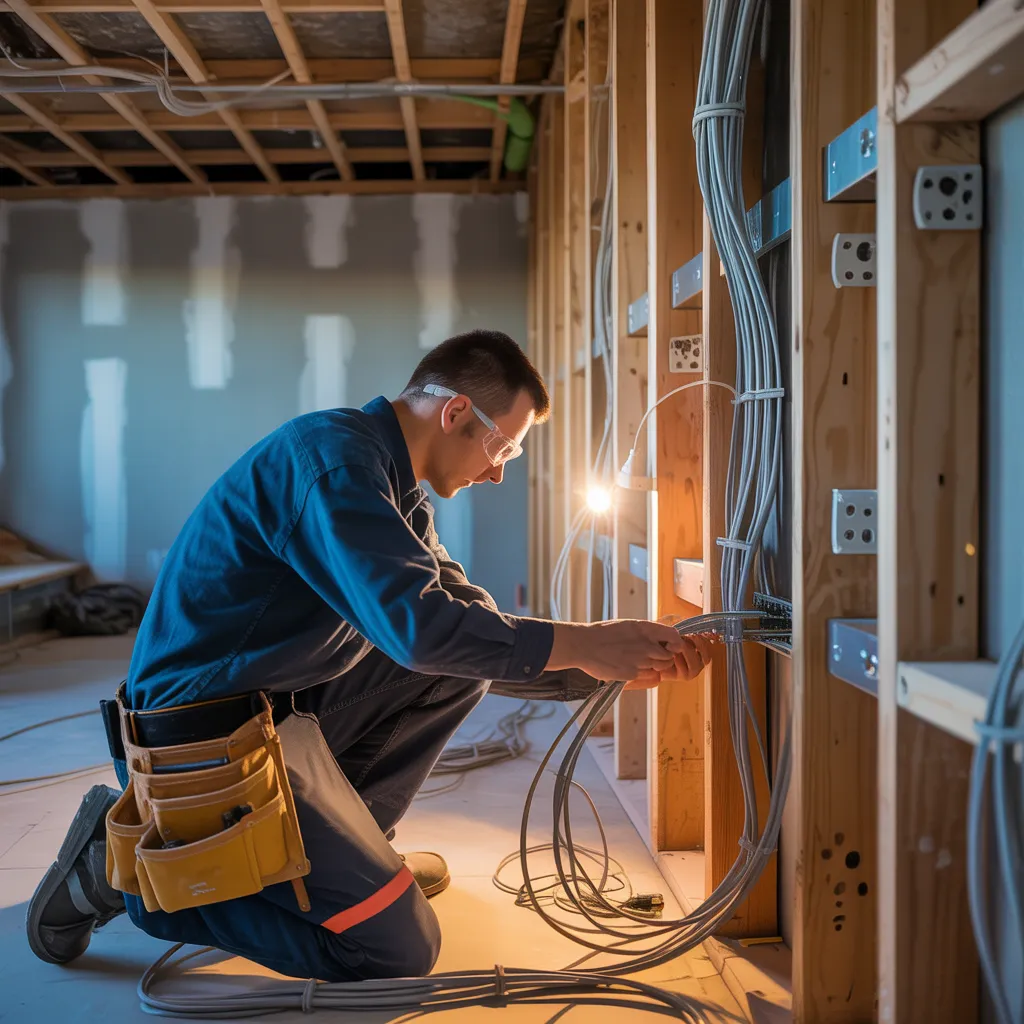
Why Employing a Qualified Electrical Contractor Is Crucial
Hiring a qualified electrician professional can significantly improve the safety and functionality of a property's electrical system. These experts have the necessary training and expertise to guarantee that all electrical work complies with local standards and regulations. This adherence minimizes the risk of hazards such as electrical fires, shock, and equipment failure. Additionally, a qualified contractor can accurately assess the particular electrical needs of a building, providing tailored solutions that improve efficiency and performance.
In addition to safety, bringing in a professional can sidestep costly mishaps that regularly stem from DIY endeavors or contracting with unlicensed workers. Their expertise facilitates efficient project completion while upholding quality. Additionally, a established contractor regularly provides protection plans and warranties, affording confidence to property owners. At the end of the day, the decision to retain a qualified electrical professional is not just about ease; it is an investment in the long-term reliability and safety of a home's electrical network.
Popular Electrical Services Given by Contractors
A substantial variety of utility services is normally rendered by vendors to satisfy diverse client needs. These services feature residential wiring, where technicians configure and preserve electrical systems in homes, ensuring safety and observance with local codes. Commercial electrical work entails constructions and corrections in business environments, centering on streamlined energy consumption and consistent functionality.
Additionally, contractors offer light fixture setup and enhancements, enhancing both aesthetics and functionality in various spaces. They also focus on troubleshooting and repairing electrical issues, resolving problems like dimming fixtures or circuit overloads.
In addition, operational efficiency reviews are carried out to benefit customers reduce energy usage and cut utility costs. Contractors regularly deliver help with the addition of smart home systems, leveraging advanced systems for superior control and household convenience. To conclude, critical electrical support are provided to fix pressing issues, making certain that consumers receive expedited help when required.
Examining Electrical Contractor Qualifications
Assessing the credentials of an electrical contractor is important for maintaining quality and safety in electrical work. Primary criteria cover the compulsory licenses and certifications, full insurance and liability coverage, and a verified record of experience. Together, these factors lay the groundwork for evaluating the contractor's reliability and professionalism.
Licensing and Certifications Required
Licensing and qualifications serve as important indicators of an electrical contractor's abilities and following industry standards. Different areas have unique licensing requirements that contractors need to satisfy, often involving a combination of education, training, and experience. Certifications from established organizations further affirm a contractor's expertise in focused areas, such as residential, commercial, or industrial electrical work. These credentials not only assure compliance with local regulations but also show a dedication to safety and professionalism. Clients should check these credentials before hiring, as licensed contractors are usually more knowledgeable about current codes and best practices. Ultimately, correct licensing and certifications improve consumer confidence and lead to the successful completion of electrical projects.
Insurance And Risk Coverage
Insurance and liability protection are essential elements when assessing the qualifications of an electrical contractor. These safeguards guarantee that detailed resource both the contractor and the client are protected against possible mishaps. A qualified electrical contractor should possess general liability insurance, which covers property damage or injuries that may occur during the project. Additionally, workers' compensation insurance is crucial, as it protects against workplace injuries sustained by employees. Clients should confirm that the contractor’s insurance is current and sufficient to cover the scope of work. This not only reduces financial risk but also reflects the contractor's commitment to professionalism and safety. Ultimately, robust insurance and liability coverage serve as indicators of a reliable and dependable electrical contractor.
Experience and Performance History
Experience acts as a foundation in assessing the qualifications of an electrical service provider. A contractor's portfolio of past projects reflects their capacity to execute various electrical tasks, spanning from residential installations to intricate business electrical infrastructure. Potential clients should review the contractor's portfolio, searching for successful projects that align with their particular needs. Moreover, time in the industry often correlate with a more comprehensive grasp of regulatory requirements and safety standards. Client testimonials and reviews can deliver insights into trustworthiness and customer satisfaction. Credentials and licenses substantiate a contractor's expertise, showcasing ongoing education and adherence to industry standards. Ultimately, a strong track record enables informed decision-making, guaranteeing clients choose a contractor equipped of producing quality work consistently.
The Significance of Electrical Contractors in Home Renovations
In the intricate interplay of home upgrades, electrical contractors play a vital role, guaranteeing that every wiring and lighting determination enhances both safety and aesthetics. Their competence is vital in organizing and executing electrical plans that comply with building codes and regulations. From setting up energy-efficient lighting to purposefully placing outlets, these specialists assure utility and convenience throughout the home.
Moreover, electrical professionals assess current infrastructure, pinpointing required improvements or fixes that enhance overall energy efficiency. This not only lowers energy bills but also adds to a greener living environment. They work closely with fellow trade professionals, aligning their efforts with plumbing, carpentry, and aesthetic components to create a cohesive improvement strategy.
Ultimately, engaging electrical contractors is critical for converting a house into a safe, stylish, and modern home, illustrating their significance in any successful renovation project.
Electrical Contractor Support for Commercial Spaces
In the context of commercial spaces, electrical contractors are essential in implementing efficient wiring installations and energy management solutions. These approaches not only enhance operational efficiency but also contribute to cost savings over time. By prioritizing advanced electrical solutions, businesses can maximize their energy consumption and improve overall operational capacity.
Optimized Wiring Installations
Streamlined wiring installations are critical for maximizing efficiency and safety in commercial spaces. A well-structured wiring system enhances electrical performance while reducing the risk of hazards. Expert electrical contractors examine the unique needs of each facility, ensuring that wiring is designed to support various applications, from lighting to heavy machinery. By utilizing first-rate materials and adhering to industry standards, they prevent maintenance issues and extend the lifespan of electrical systems. In addition, effective wiring designs facilitate future upgrades and expansions, allowing businesses to adapt to evolving technological demands. Ultimately, investing in streamlined wiring implementations not only maximizes operational efficiency but also contributes to a safer working environment, promoting overall productivity and peace of mind for both employers and employees.
Energy Administration Tools
Refining power arrangements transcends efficient wiring installations; it incorporates the establishment of EMS that strengthen energy efficiency in business facilities. EMS solutions present instantaneous observation and control of power consumption patterns, enabling firms to uncover usage patterns and decrease waste. By blending state-of-the-art innovations, like advanced metering systems and automated controls, EMS can markedly diminish overhead expenses while supporting environmental stewardship. Electrical contractors are fundamental to designing and installing these structures, verifying they address particular business demands. With bespoke EMS solutions, businesses can accomplish improved power performance, observe mandates, and increase their overall operational performance. Adopting an EMS bolsters the bottom line but furthermore benefits a cleaner environment.
Instructions to Convey Your Needs With Contractors
Clearly communicating project needs is crucial when working alongside electrical contractors. Clients should start by defining the project scope, detailing the type of work required, whether it's new installations, upgrades, or repairs. Providing detailed descriptions helps contractors understand expectations and necessary resources.
Additionally, customers should convey their budget constraints and timelines. Providing these specifications allows service providers to suggest realistic solutions and timelines. It is also beneficial to discuss any particular requirements for materials or systems, as well as any applicable safety or regulatory considerations.
Visual aids, including graphs or photos, can further strengthen grasp. Encouraging open dialogue creates a collaborative atmosphere, allowing contractors to ask explanatory questions and suggest alternatives. Lastly, establishing a central contact ensures clear communication during the project. By following these guidelines, clients can effectively share their needs, resulting in positive project outcomes.
Expectations During Your Electrical Work Process
What would one anticipate during the electrical installation process? At the outset, the electrician will perform an assessment of the project requirements, reviewing the scope and any specific concerns. Following this, they will deliver a comprehensive estimate, outlining expenses and schedules. When the contract is in effect, the professional will schedule the work and obtain any necessary documentation.
Throughout the real project, you can anticipate clear communication about progress and potential disruptions. The contractor will guarantee that safety measures are followed, minimizing hazards to both workers and residents. As the project progresses, inspections may occur to ensure adherence with local codes.
Upon finishing, the contractor will undertake a final walkthrough, addressing any concerns and guaranteeing all systems function correctly. Finally, they will present documentation, encompassing warranties and upkeep tips, ensuring that the homeowner is well-informed about their new electrical installations. This meticulous process targets to deliver reliable and effective electrical solutions.
Often Posed Questions
What Constitutes the Median Cost of Contracting an Electrical Professional?
The going rate for hiring an electrical contractor customarily ranges from $50 to $100 per hour, relying on the intricacy of the project and location. Flat fees for specific work could be applicable, varying significantly.
How Long Will Standard Electrical Work Require to Finish?
Typical electrical work timeframe varies, often taking a few hours to several days, based on the complexity of the project. Factors like the installation type, existing wiring conditions, and efficiency of the contractor play significant roles in how long it takes to complete.
Do All States Enforce Permits for Electricians?
Electrical contractors are typically obligated to be certified in most states, ensuring they meet particular education and experience standards. However, licensing requirements can differ significantly, so it's important to review local codes for accurate information.
Am I able I Do Any Electrical Work on my own?
Residents can do some fundamental electrical tasks themselves, such as updating outlets and light fixtures, but must stick to local codes. For complex tasks, hiring a licensed professional is suggested to guarantee safety and compliance.
What Precautions Should I Undertake if an Electrical Emergency Occurs?
During an electrical emergency, one must right away turn off the power at the circuit breaker, refrain from touching any live wires, and reach out to a competent electrician for help to ensure safety and proper resolution.